Sound QI’s Maestro software revolutionized the interpretation of seismic data, but its applications do not stop there.
Q&A with Laurie Weston, President, CEO and founder, Sound QI
It’s quite amazing to see the advancement of seismic data analysis in the oil and gas sector from 2D structural paper-based mapping into its current integrated, quantitative, computer-based discipline.
Q&A with Laurie Weston, President, CEO and founder, Sound QI
Why does China have a stranglehold on rare earth elements?
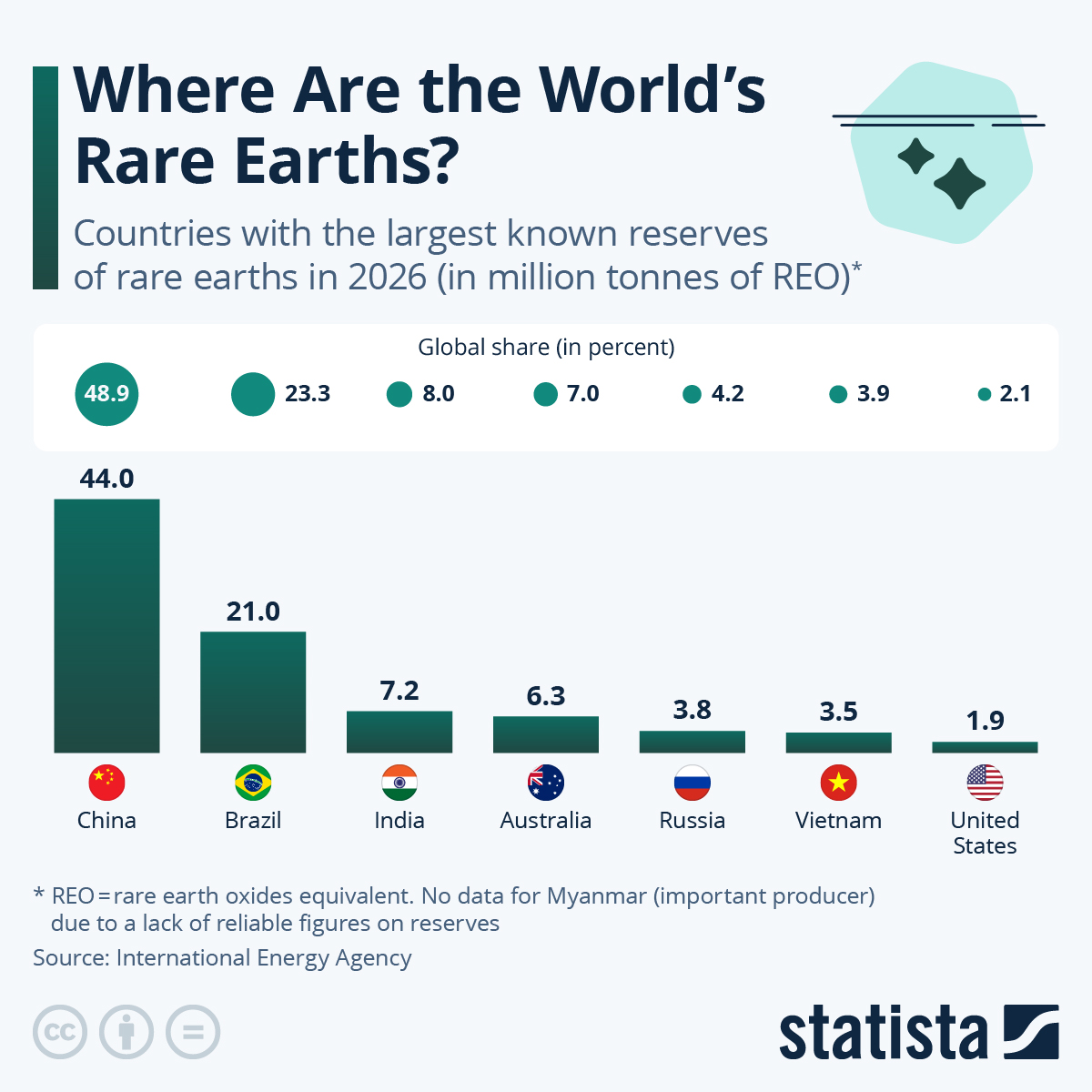
It’s true that China dominates the global production and distribution of rare earth elements which are necessary for the manufacture of smartphones, EV batteries, wind turbines and advanced weapons systems and which, by the way, are not all that rare. This group of 17 metals, which possess remarkably similar properties to each other, can be found in numerous locations around the world including the United States They are as common in the earth’s crust as copper or nickel. But they are rarely found in concentrated amounts which distinguishes them from the larger deposits of the more familiar industrial ores. As Paul Ziemkiewcz, director of the West Virginia Water Research Institute, explains in an article by Live Science Plus, “There are around 300 milligrams per kilogram [0.005 ounces per pound] of rare earths across all shale in the United States. That’s about what you’d get if you dug a hole in your backyard.”
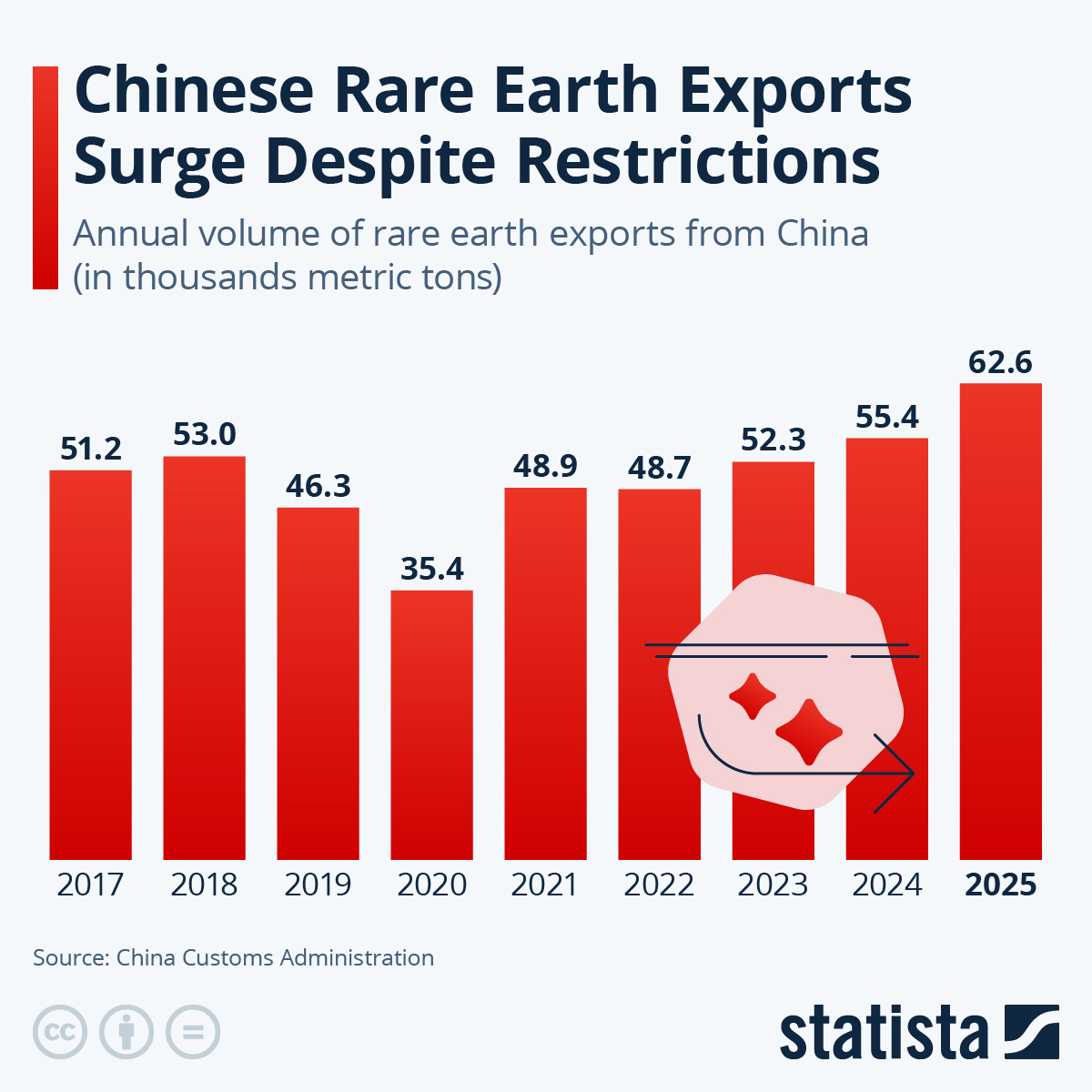
Then why is it that China seems to have a monopoly on rare earth metals? According to the Rare Earths Industry Association, based in Brussels, China controls the supply of rare earth elements at the mine level with approximately 75% of annual global output. More significantly, it is responsible for about 90% of global processed production. The Chinese government (led by Deng Xiaoping) began maneuvering itself into this position during the 1980s through strategic investment into the mining and extraction sectors. The extraction process is extremely complex with dozens to hundreds of steps required for each element. Additionally, each step requires copious amounts of energy and produces toxic waste. Over the last 40 years, China has developed its mining and extraction technologies to exert its dominance.
To be sure, China’s foresight has worked to its advantage in controlling the rare earths global market, but its citizens have paid a certain price for the production of those elements under its lax environmental standards. As London-based policy institute, Chatham House, points out, “These waste streams contain a mixture of toxic chemicals used in processing, as well as heavy metals and radioactive elements such as thorium. Over time, pollutants have seeped into surrounding soils and groundwater, affecting agricultural land, causing social disruptions for local herder communities, and raising concerns about long-term ecosystem and human health impacts.” Two of China’s major rare earth mining and processing locations, Ganzhou and Inner Mongolia Province are two disturbing examples of the consequences. For more detailed view of this critical issue, read The mineral chokehold — why 17 elements will influence who wins future wars by Richard LeBlanc and Rare earth elements explained – why these 17 minerals matter for energy, tech, and security by Kaase Gbakon on the BIG Media platform.
Power your opportunities with the insight of our BUSINESSEDGE NEWS MAGAZINE NEWSLETTER delivered to your inbox. By sharing your email, you’ll receive our free, curated newsletter with exclusive stories, interviews and business analysis.